THE BOOK
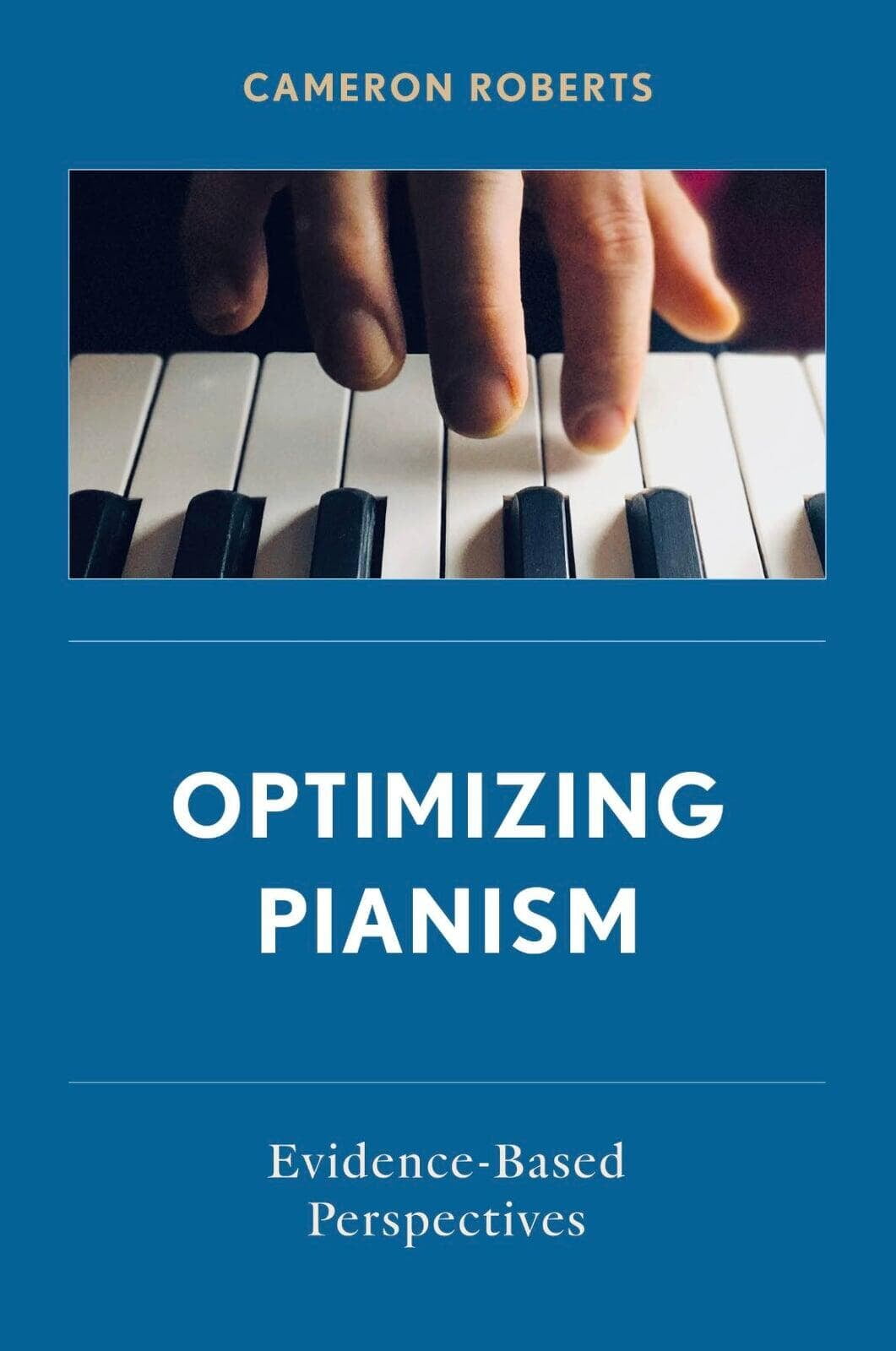
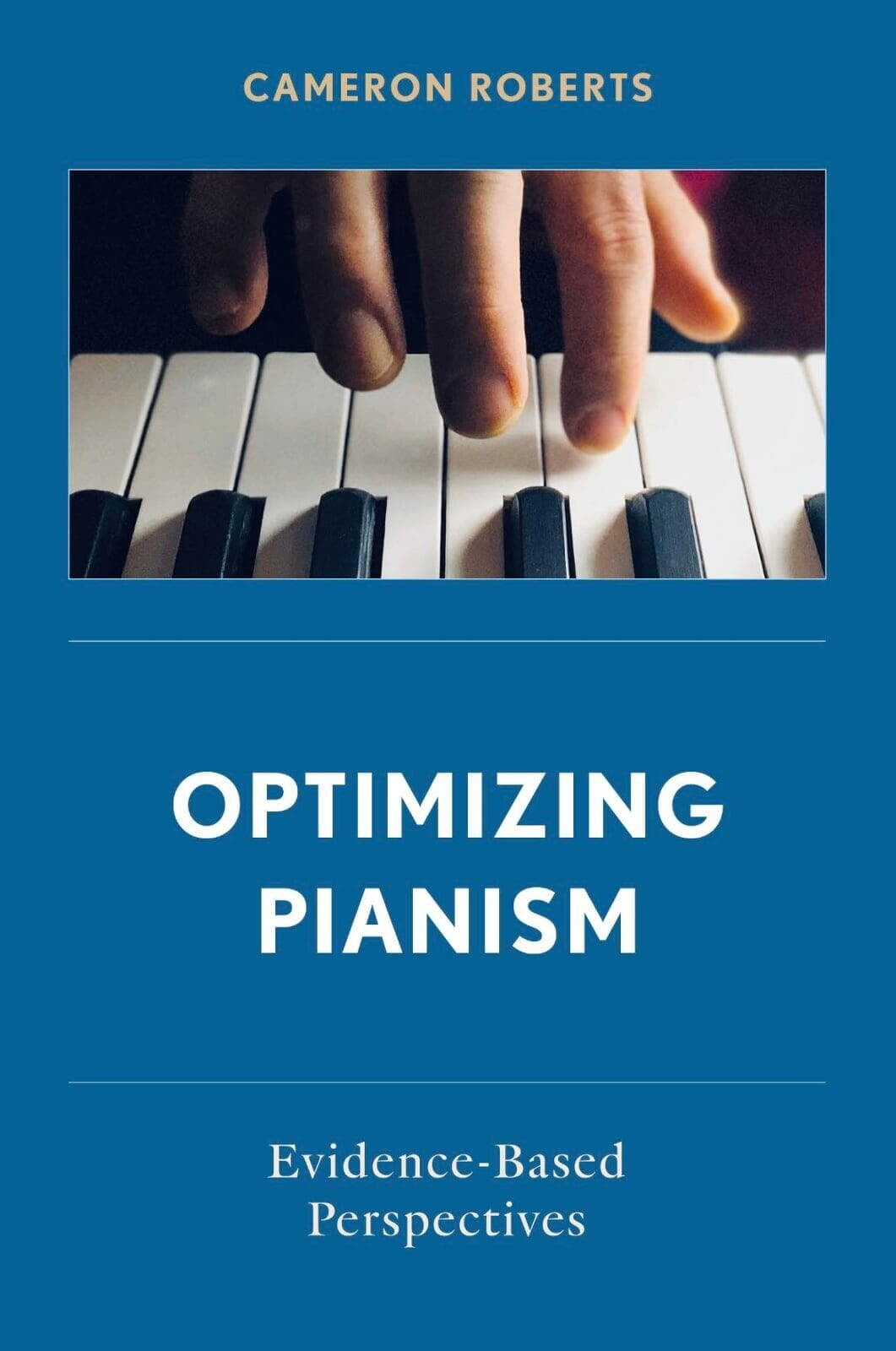
Optimizing Pianism
Evidence-based Perspectives
Bloomsbury Publishing (2025)
BLOOMSBURY PUBLISHING, UK
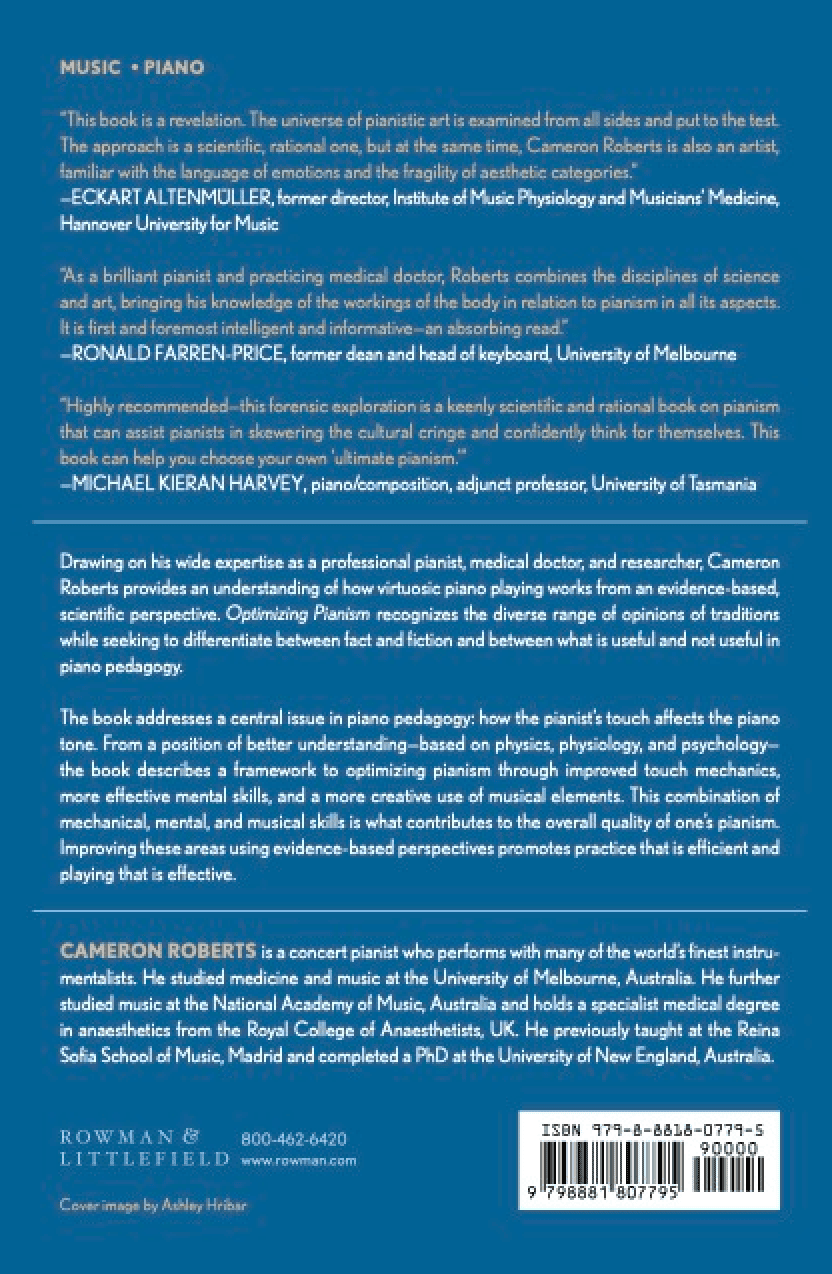
"This book is a revelation" ... "the book contains everything an advanced pianists needs to know" ... "a keenly scientific and rational handbook" ... "intelligent and informative" ... "thought-provoking and amusing" ... "a foundation for healthier, more effective, and truly optimised pianism" ... "one of the – if not the – most inspiring music pedagogy reads I've ever read" ... "made me want to think more deliberately" ... "he has a gift for turning complex ideas into simple, useful insights" ... "gold – I only wish I had read it earlier on in my career"
About the Book
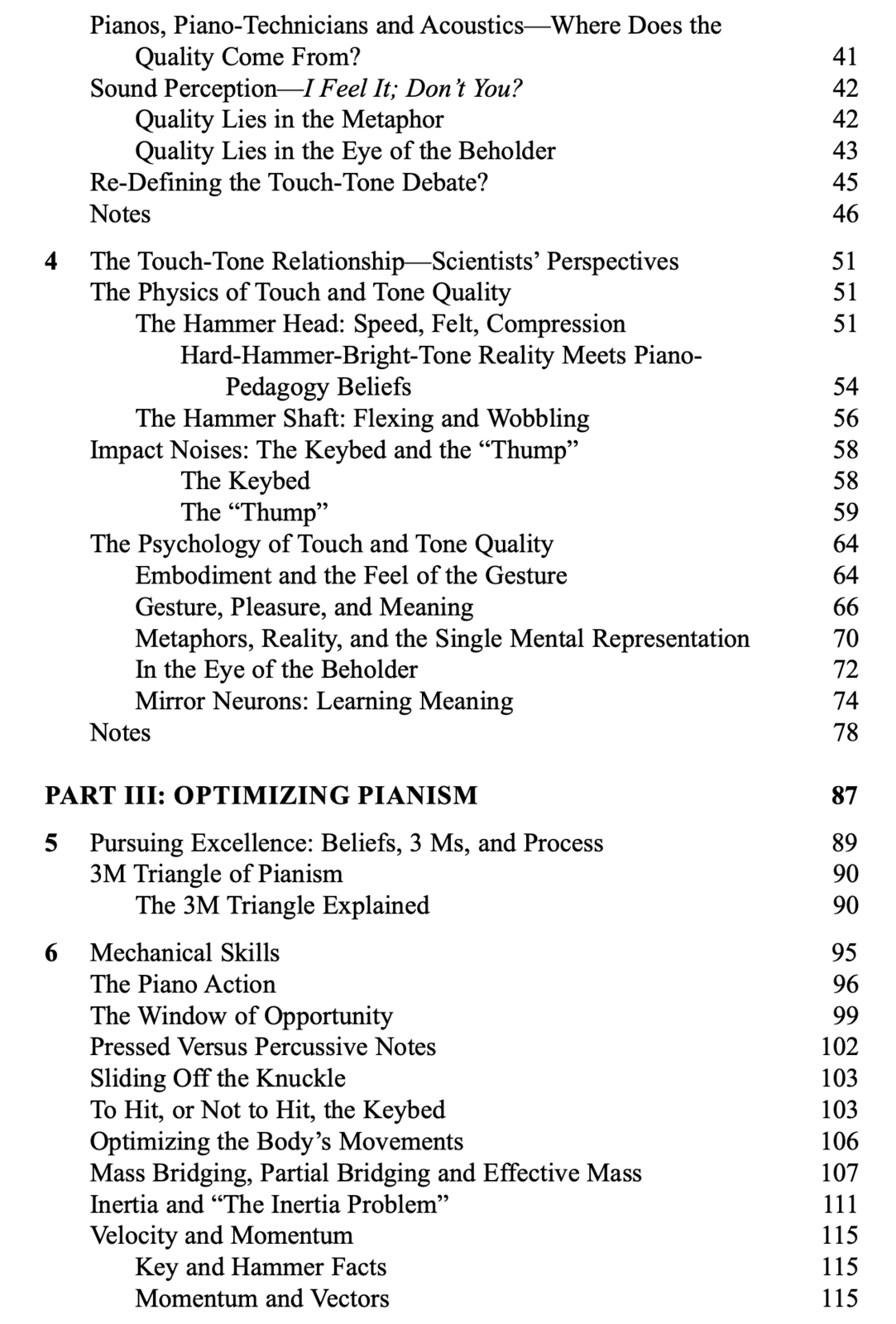
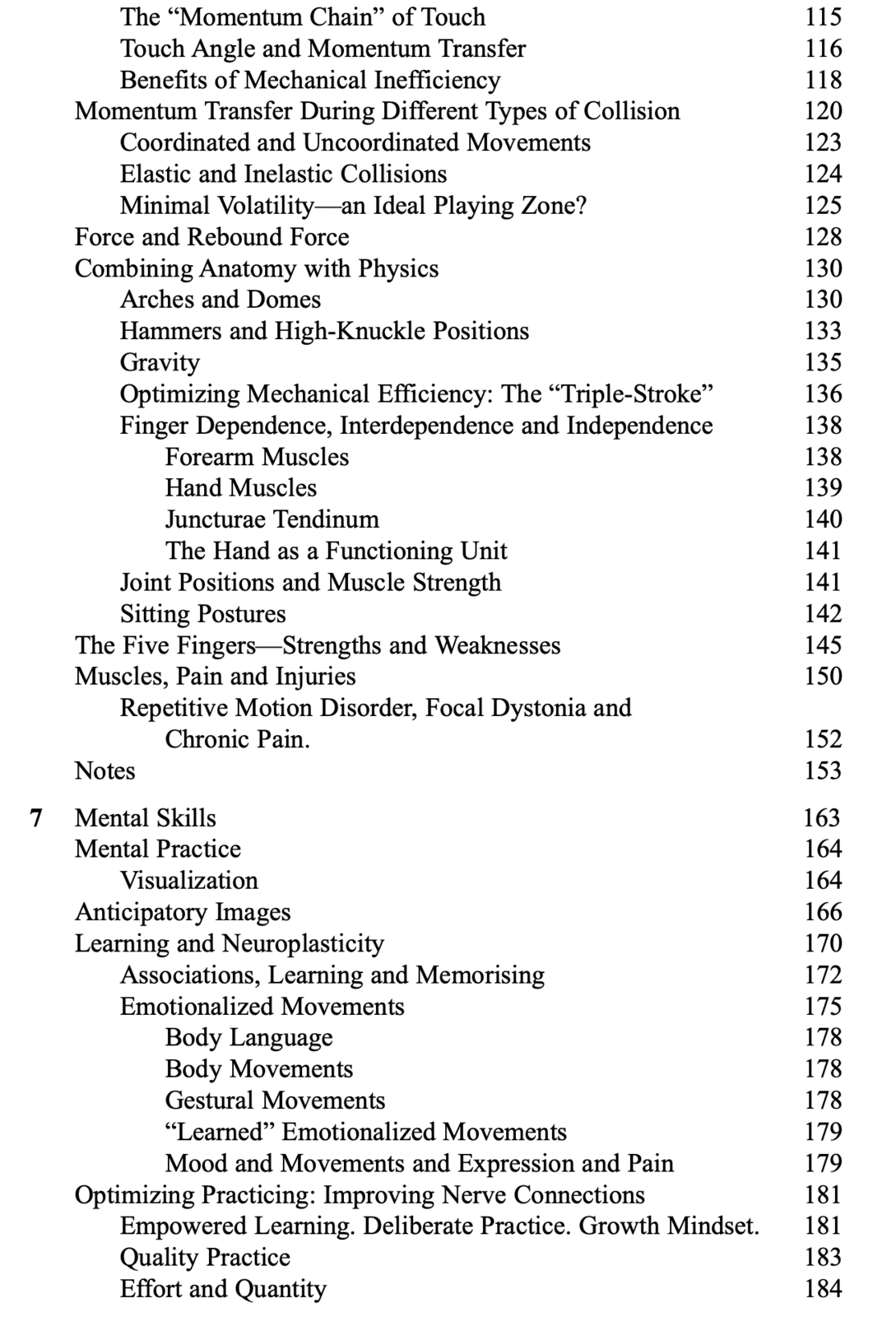
Optimizing Pianism – Evidence-Based Perspectives (Bloomsbury, 2025), provides an evidence-based approach to solving the problems of pianism, drawing on psychology, biomechanics and neuroscience. It addresses the mechanics and perception of touch, cognition, learning and memory, performance psychology, injury causation, and aesthetics — the issues that underlie what goes wrong, and right, at the piano. Like sports-science to an olympic athlete, the book allows pianists to fast-track excellence – and stay out of harm – by implementing the best information and the best tools.
The book is divided into 3 parts, guiding readers through the i. cognitive-perceptual biases that sabotage good decision making, ii. physical-perceptual aspects of sound and touch, and iii. mind-brain factors necessary for optimal pianistic growth.
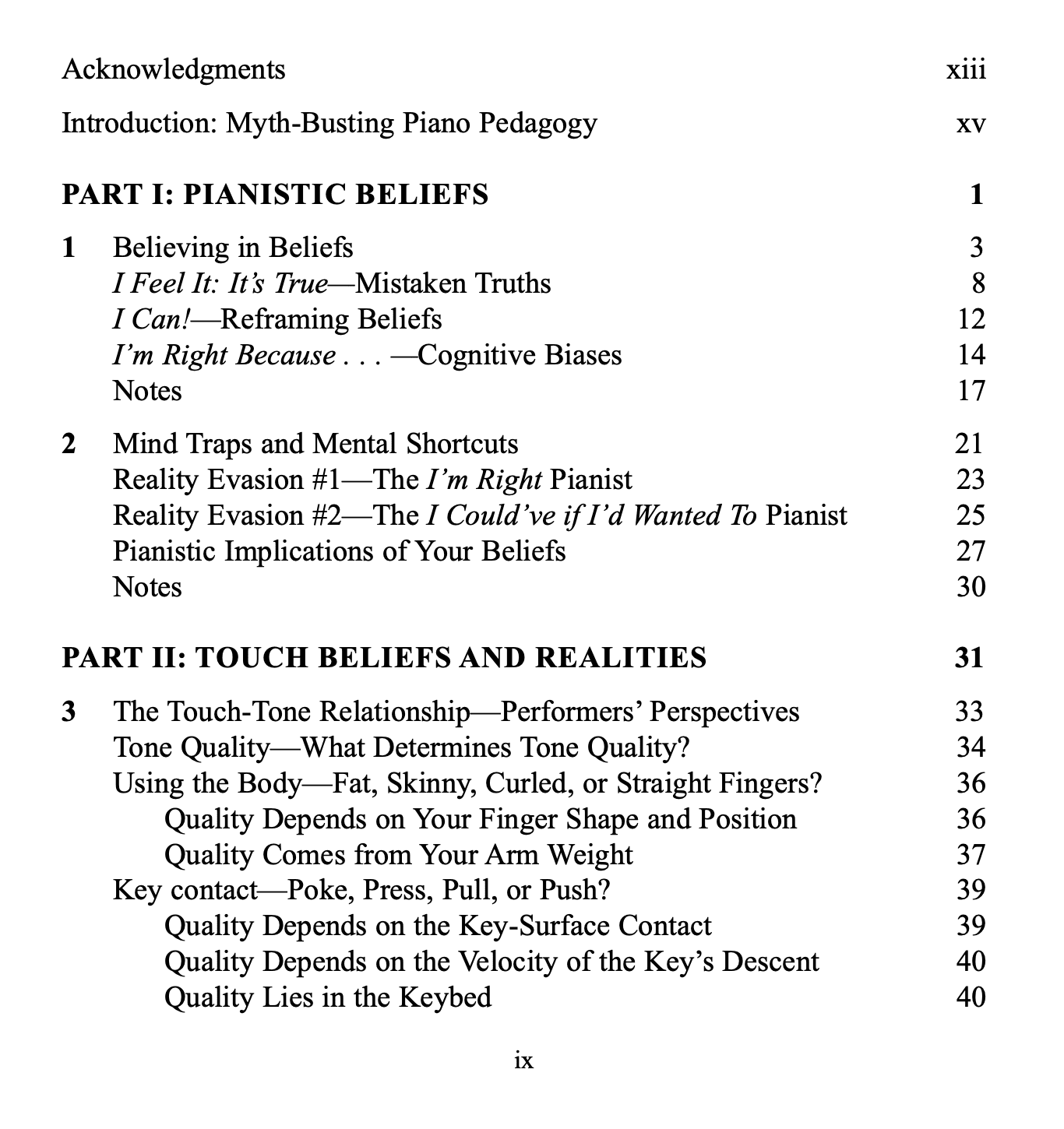
Part I – Pianistic Beliefs
Believing in Beliefs
Mind Traps and Mental Shortcuts
Part II – Touch Beliefs and Realities
The Touch-Tone Relationship – Performers’ Perspectives
The Touch-Tone Relationship – Scientists’ Perspectives
Part III – Optimizing Pianism
Pursuing Excellence: Beliefs, 3Ms, and a Process
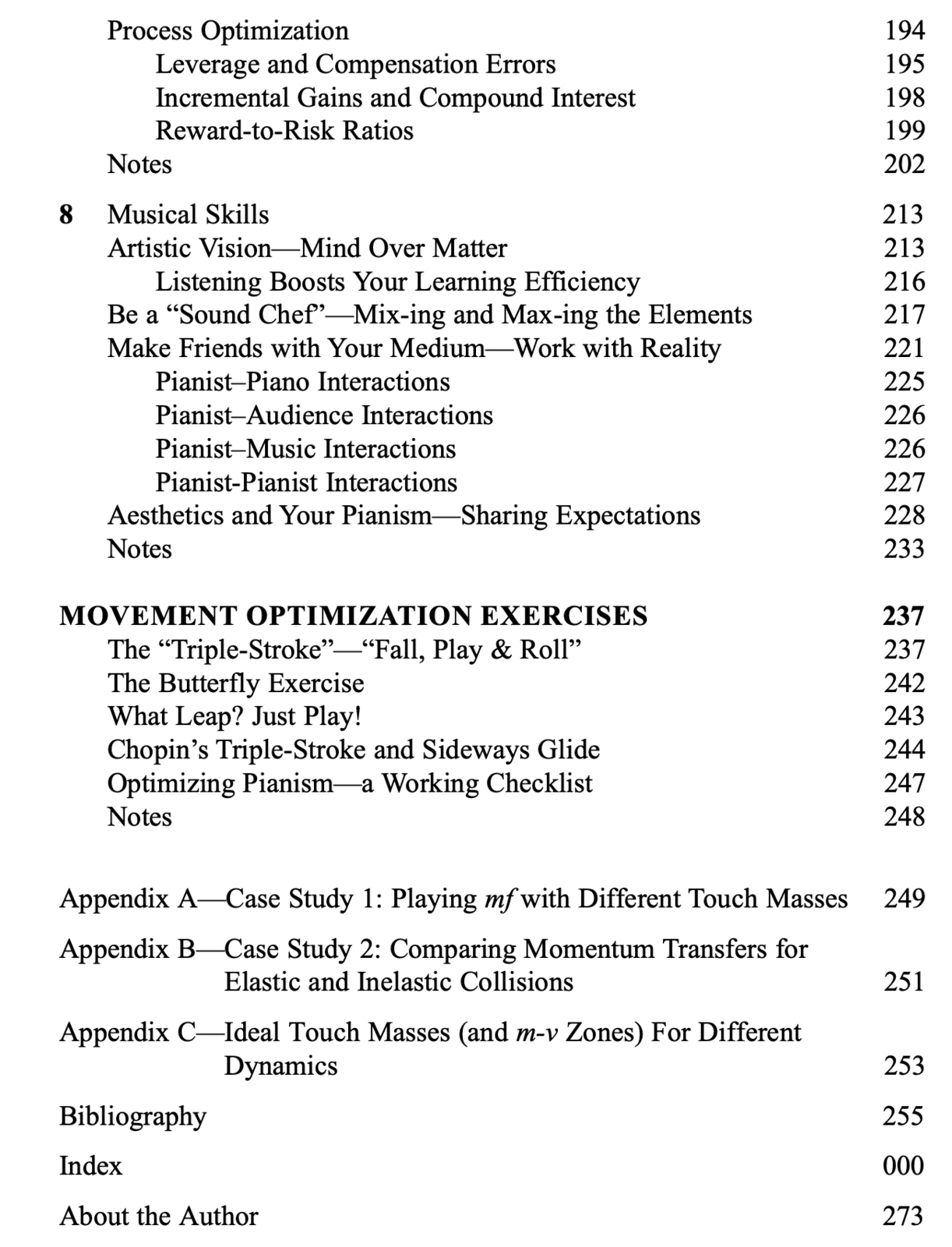
Mechanical Skills
Mental Skills
Musical Skills
Contents
Reviews & Endorsements
"This book is a revelation. The universe of pianistic art is examined from all sides and put to the test. The approach is a scientific, rational one, but at the same time the author is also an artist and is familiar with the language of emotions and the fragility of aesthetic categories. The book contains everything an advanced pianist needs to know; from the physics of sound production on the grand piano to the anatomical details of the hand, forearm and upper arm, and from the choreography of movements to the secrets of expressive playing that moves and captivates the listener. In doing so, it is not judgmental, but critically analytical, questioning. And it contains countless practical tips, from preventing overuse injuries to working through the difficult etudes of the Romantic period and designing a pianistic life plan. Thank you, Cameron!"
Prof. m. Dr. med. Dipl. mus. Eckart Altenmüller, FEAN
Institute of Music Physiology and Musician’s Medicine, Hannover University for Music, Drama and Media
"Highly recommended - a forensic exposé of the megalomaniacal, imperialist and superstitious BS behind many destructive piano pedagogy belief systems, this is a keenly scientific and rational handbook on pianism that can assist pianists in skewering the cultural cringe and confidently think for themselves. You may not be able to choose your family, but you can sure as hell choose your own “ultimate pianism”.
Dr Michael Kieran Harvey, FAHA
Adjunct Professor, Piano & Composition, University of Tasmania
"Having recently read Cameron's book, I was impressed by the breadth of his investigation and the clarity with which he synthesises this information into a single volume. As a pedagogue with a deep interest in physiology and the mental acuity required for performance, I can attest that piano pedagogy lags poorly behind in embracing and applying the latest research - particularly when compared to the rigour of sports science. Too often it has it has been clouded by half-truths, folklore, and well-meant but misguided and uninformed attempts to describe the realities of what we really do. Optimising Pianism cuts through that fog, offering not only a valuable reference to consult but a foundation for healthier, more effective, and truly optimised pianism."
Timothy Young
Head of Piano & Resident Faculty, Australian National Academy of Music
"Dr Cameron Roberts is the most ideal person to embark on such a study. As a brilliant pianist and practising medical doctor he combines the disciplines of science and art. Cameron Roberts brings his knowledge of the workings of the body in relation to pianism in all its aspects, and challenges received ideas which have been passed on over generations. It is first and foremost intelligent and informative; it is thought-provoking, also amusing. It is both absorbing and enjoyable to read."
Ronald Farren-Price AM. DMus Hon, FMusA Hon.
Former Dean and Head of Keyboard, University of Melbourne
"Cameron’s book is gold! I only wish I had read it earlier on in my career. What I found enlightening was learning more about the touch-tone relationship. Reading about the many conflicting expert opinions on what actually creates a “beautiful” piano sound, I found both confronting and liberating. What struck me most was the clarity he gives to what actually happens when we press down a key. In a very practical and honest way, he disentangles what is acoustically causal, what is functional and what is psychologically helpful. I now feel less attached to inherited metaphors and feel much more grounded in my playing."
Dr Ashley Hribar
Classical, Jazz and Contemporary Music Pianist and Composer, Australia/Germany
"I have to admit I’ve never spent much time thinking deeply about why I use certain mechanics at the piano. Reading your book made me question some of those habits and ask whether there is actually a reason behind them—particularly in relation to my teaching. It made me think more carefully about how the piano actually works and what it is in my instruction that might genuinely change the way a student produces sound. For example, things I often say like “play deeper into the key” or “use more arm weight” made me realise that while those ideas often seem to help students, I’m not always completely clear about what is actually changing mechanically. I guess your book made me want to think more deliberately about the relationship between technique, sound production, and the explanations we give students. It’s something I’m trying to get better at in my teaching."
Eidit Golder
Concert Pianist and Teacher, Melbourne, Australia
"Cameron teaches with calm authority and an easy, approachable manner. Students feel safe to take risks with him; he helps them understand not just what to do, but why it matters. His explanations are clear, practical, and attuned to the individual, and he has a gift for turning complex ideas into simple, useful insights they can apply immediately. His quiet excellence has a way of elevating everyone around him."
Dr Zen Zeng
Pianist, Teacher, Author, Speaker. Melbourne, Australia
"Why guess when you can know?"